Victory Garden (2025-present)
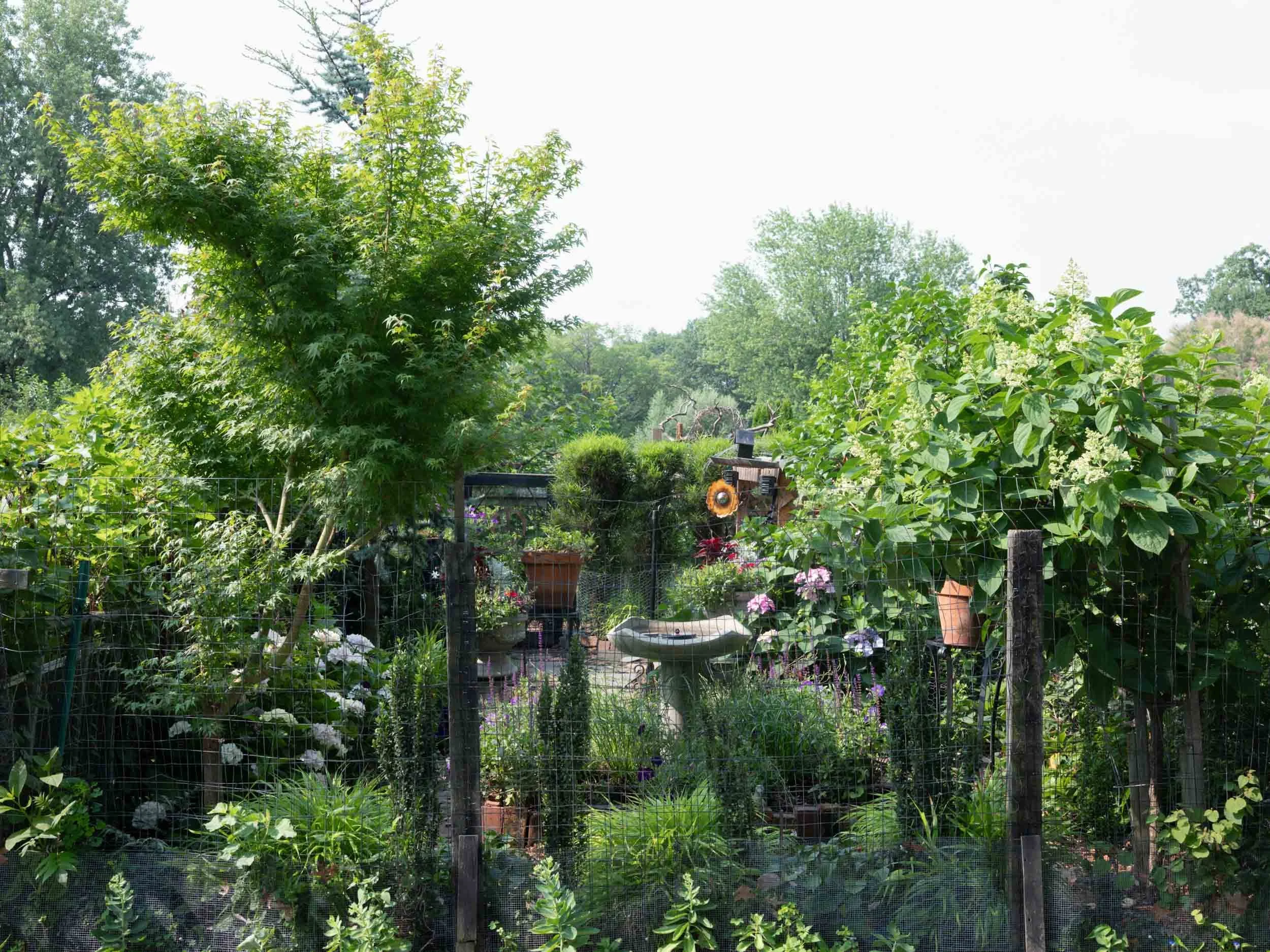
Birdbath, 2025 Archival pigment photograph 30 x 40 inches
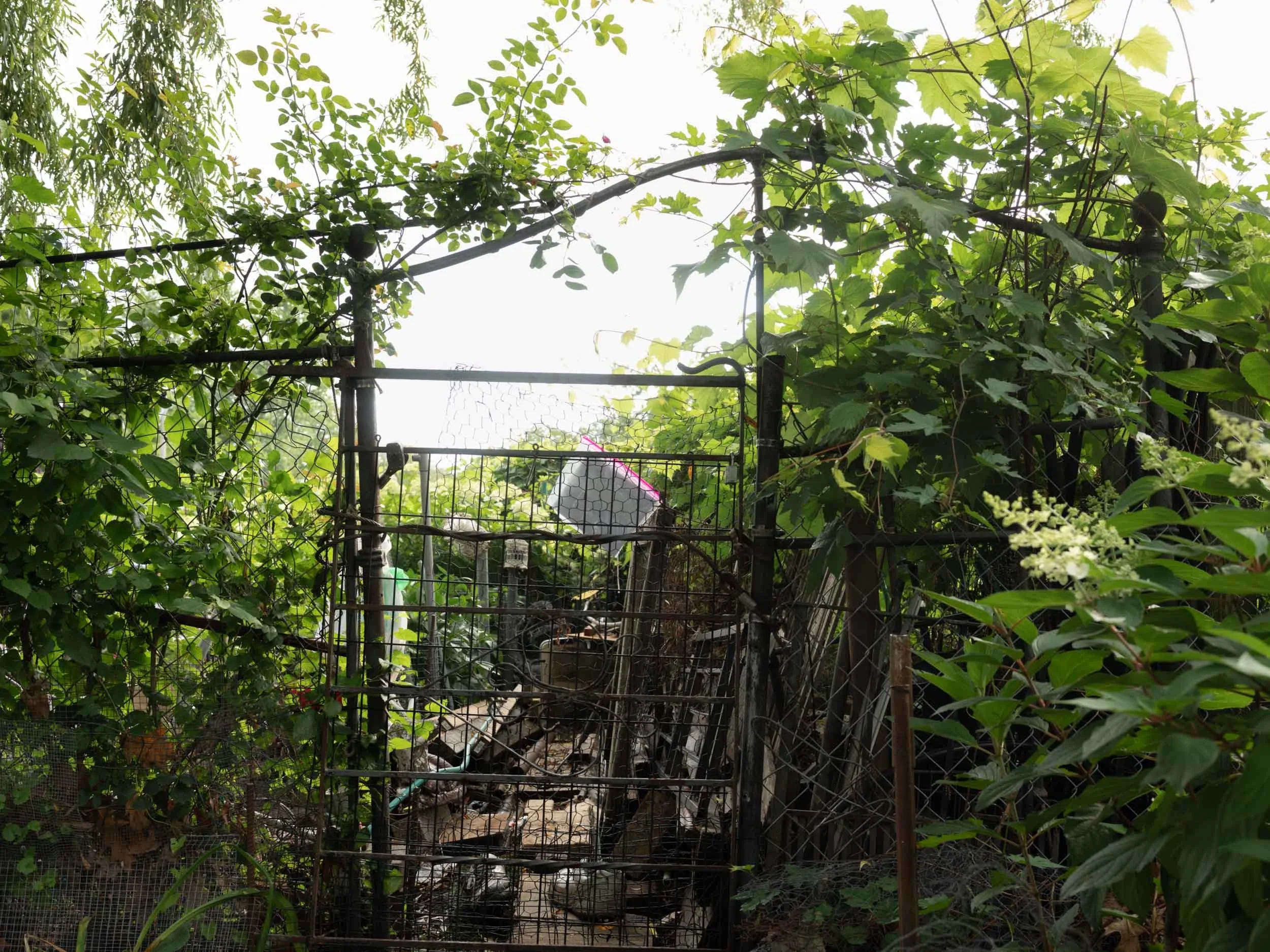
Secret garden, 2025 Archival pigment photograph 30 x 40 inches
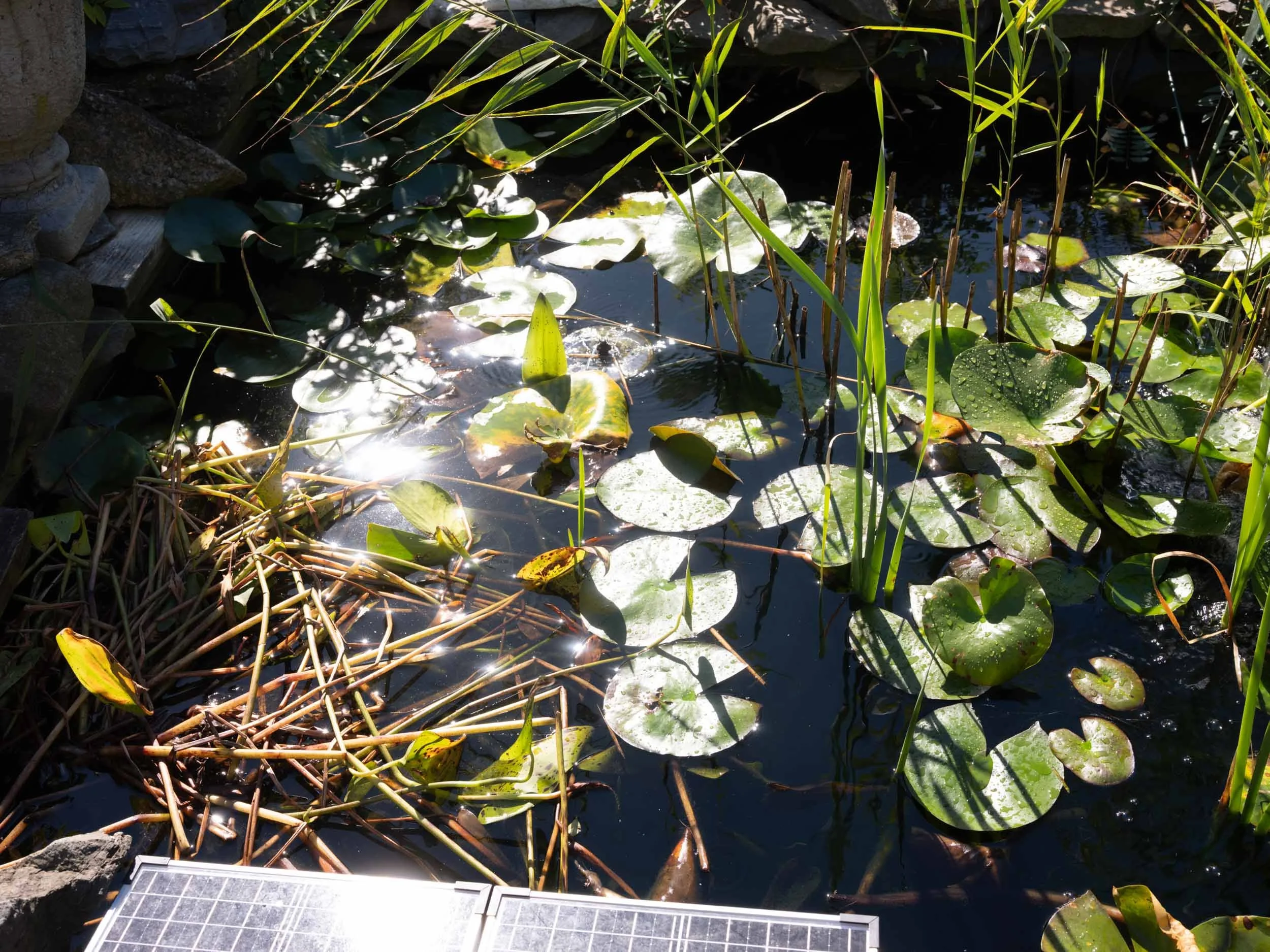
Water lilies with solar panel, 2025 Archival pigment photograph 30 x 40 inches
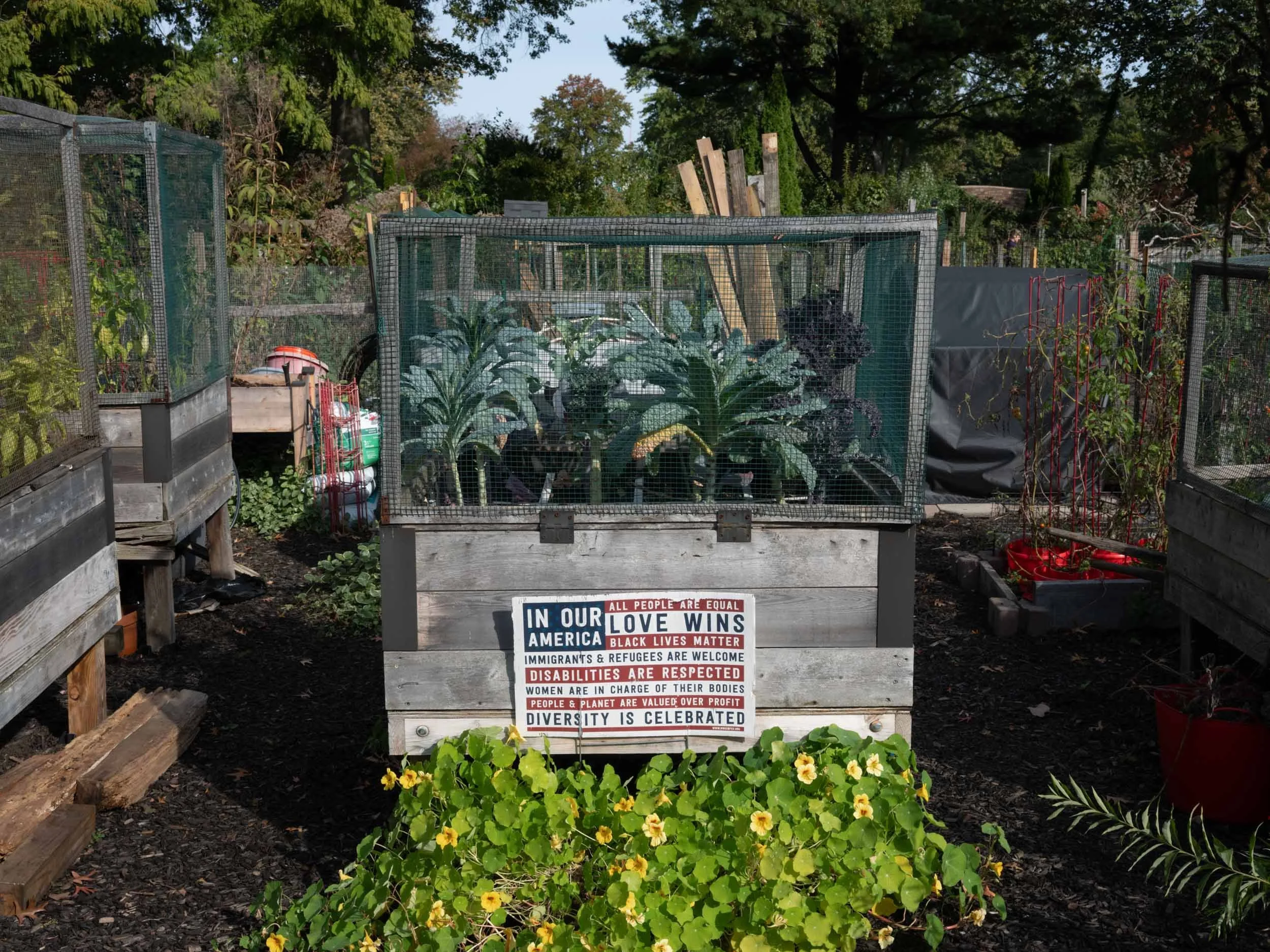
In our America love wins, 2025 Archival pigment photograph 30 x 40 inches
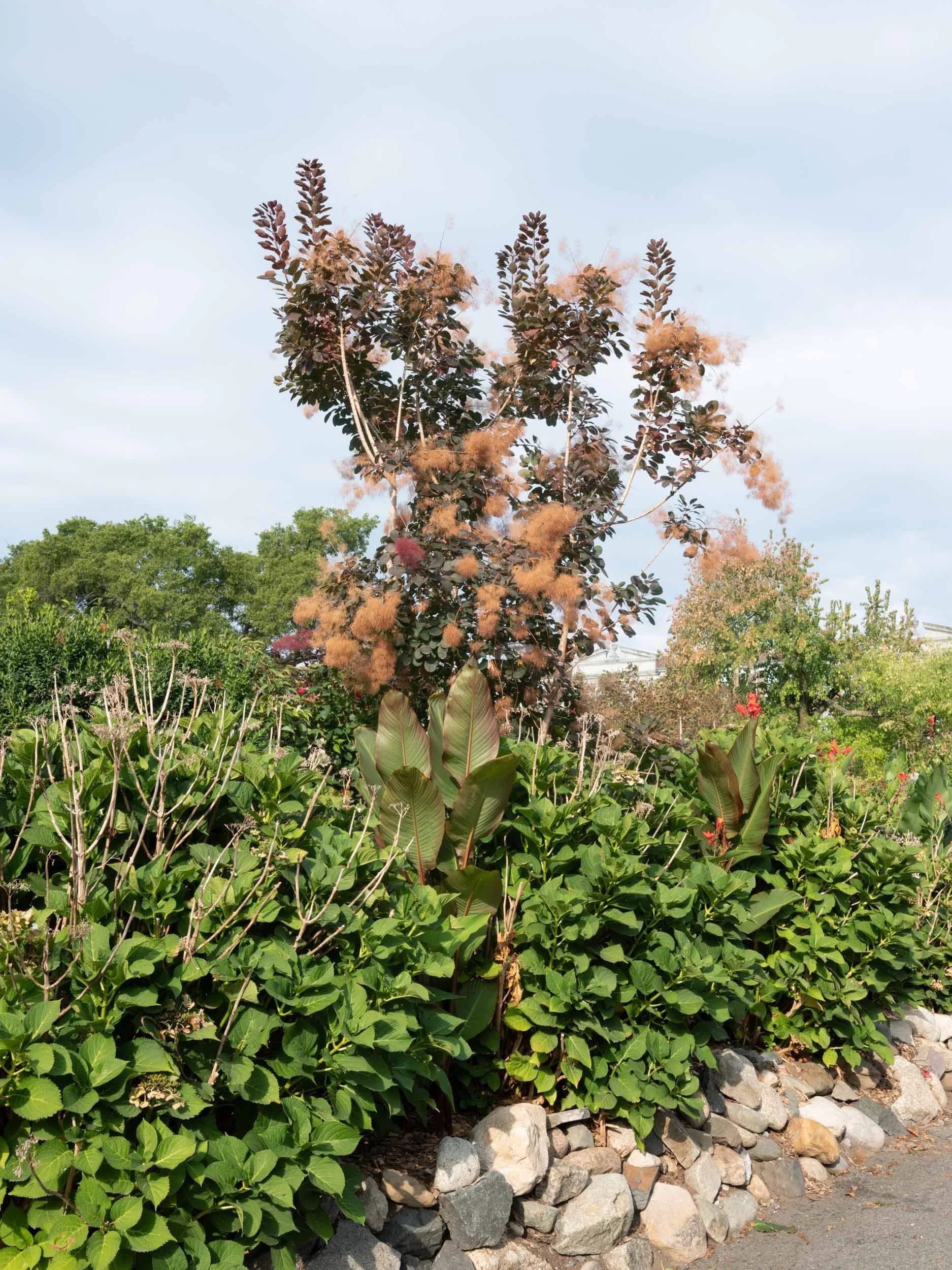
Smoke bush, 2025 Archival pigment photograph 30 x 40 inches
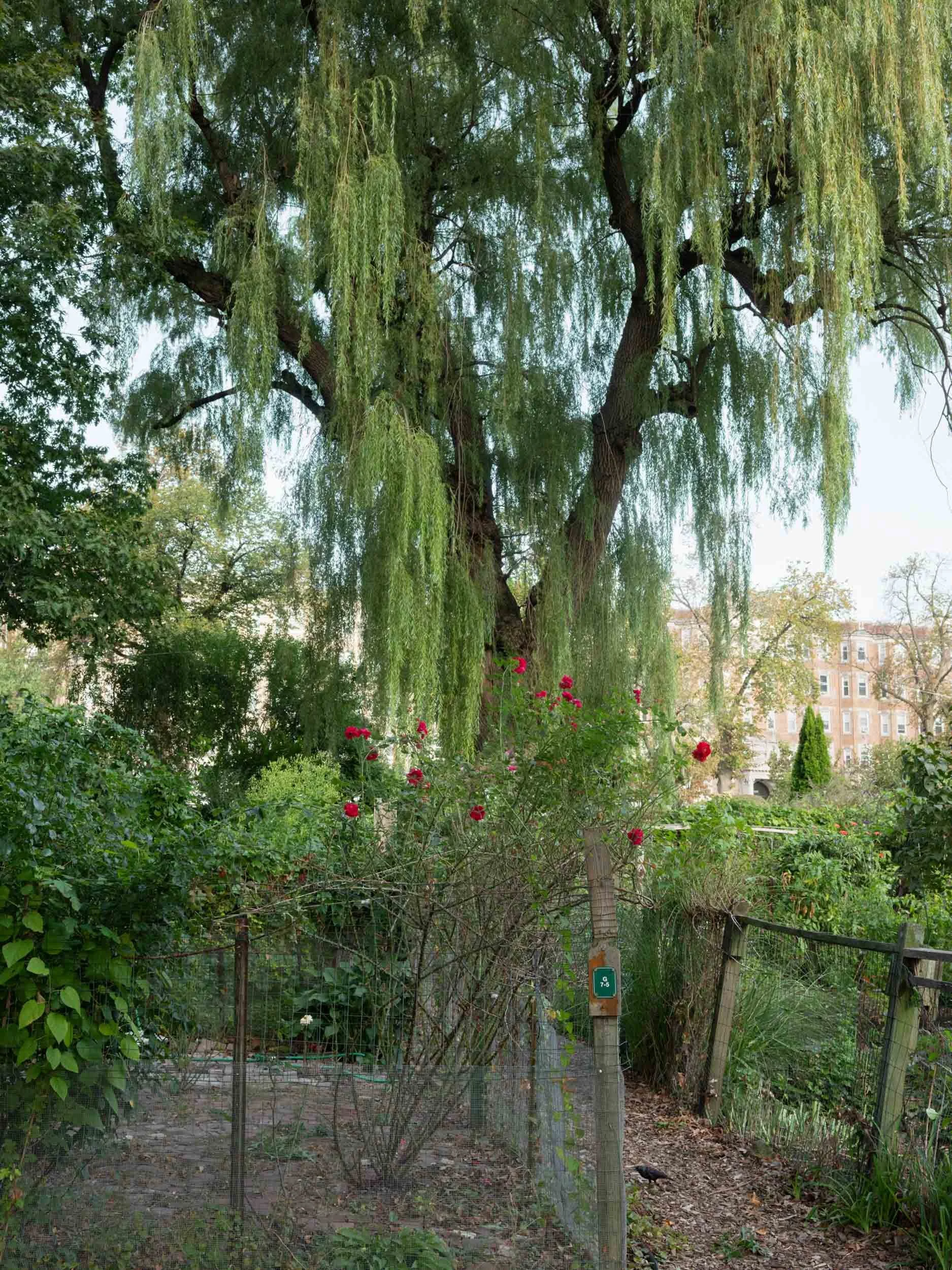
Weeping willow with roses, 2025 Archival pigment photograph 30 x 40 inches
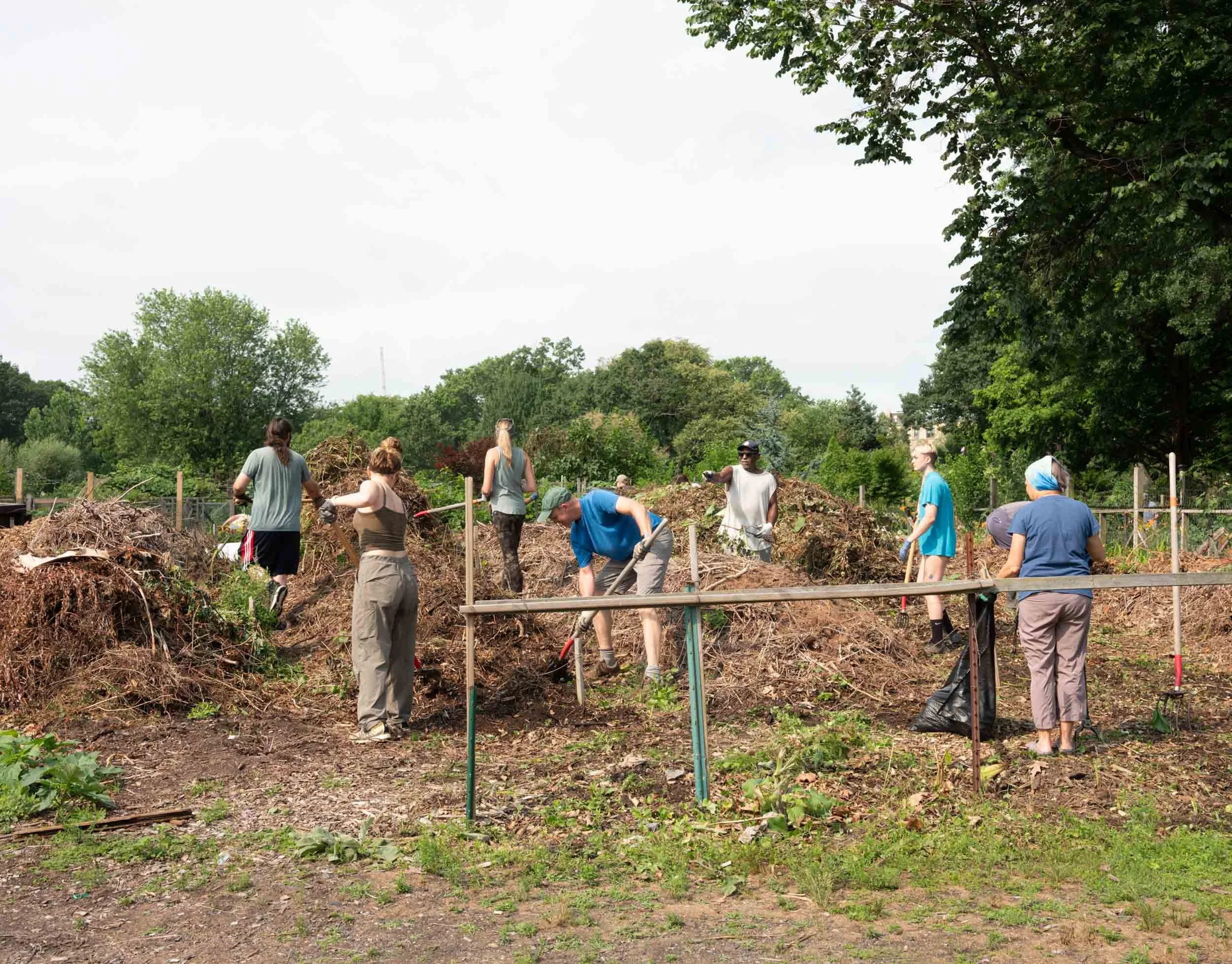
Turning the compost, 2025 Archival pigment photograph 30 x 40 inches
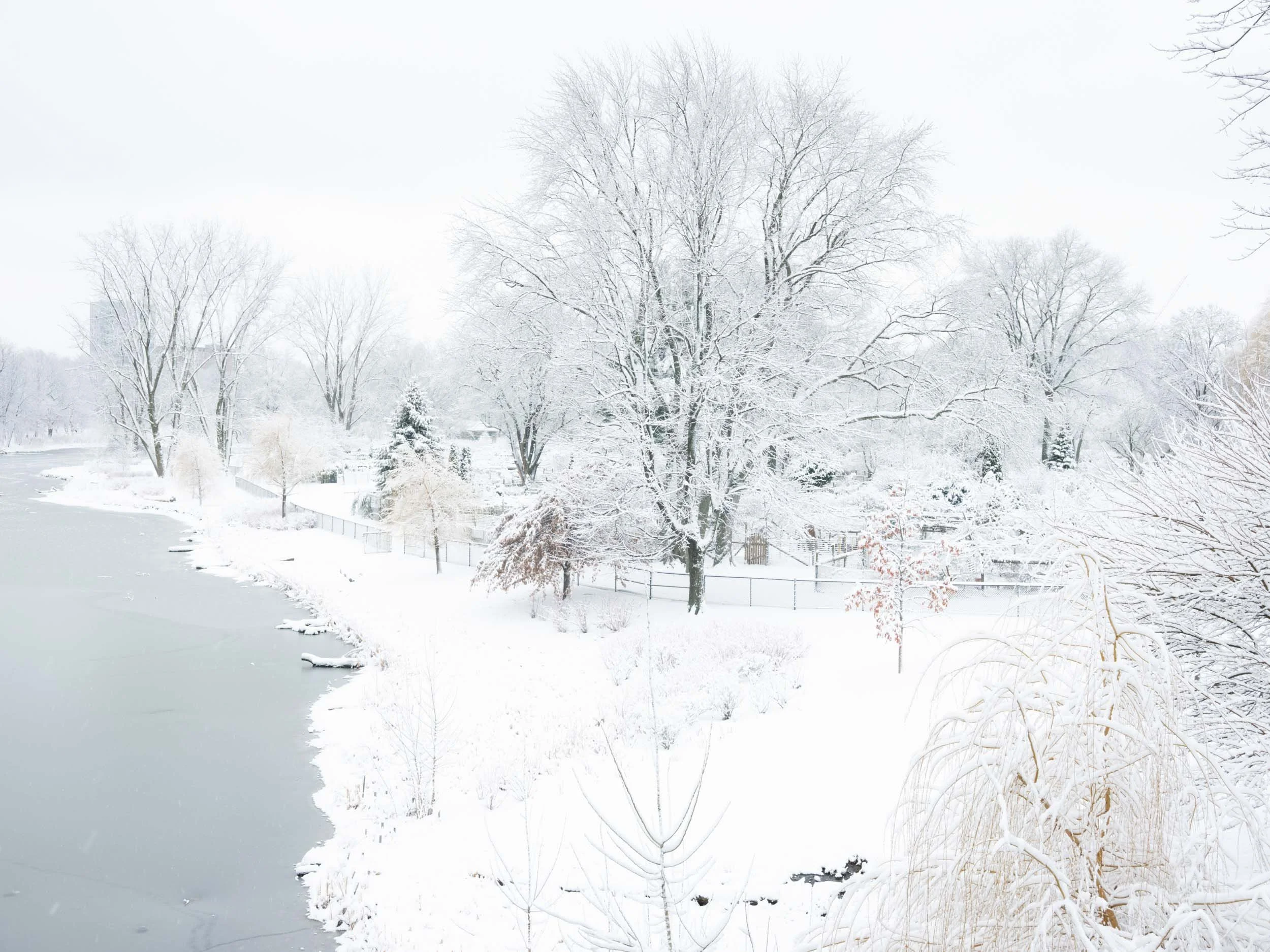
Muddy River (winter), 2026 Archival pigment photograph 30 x 40 inches
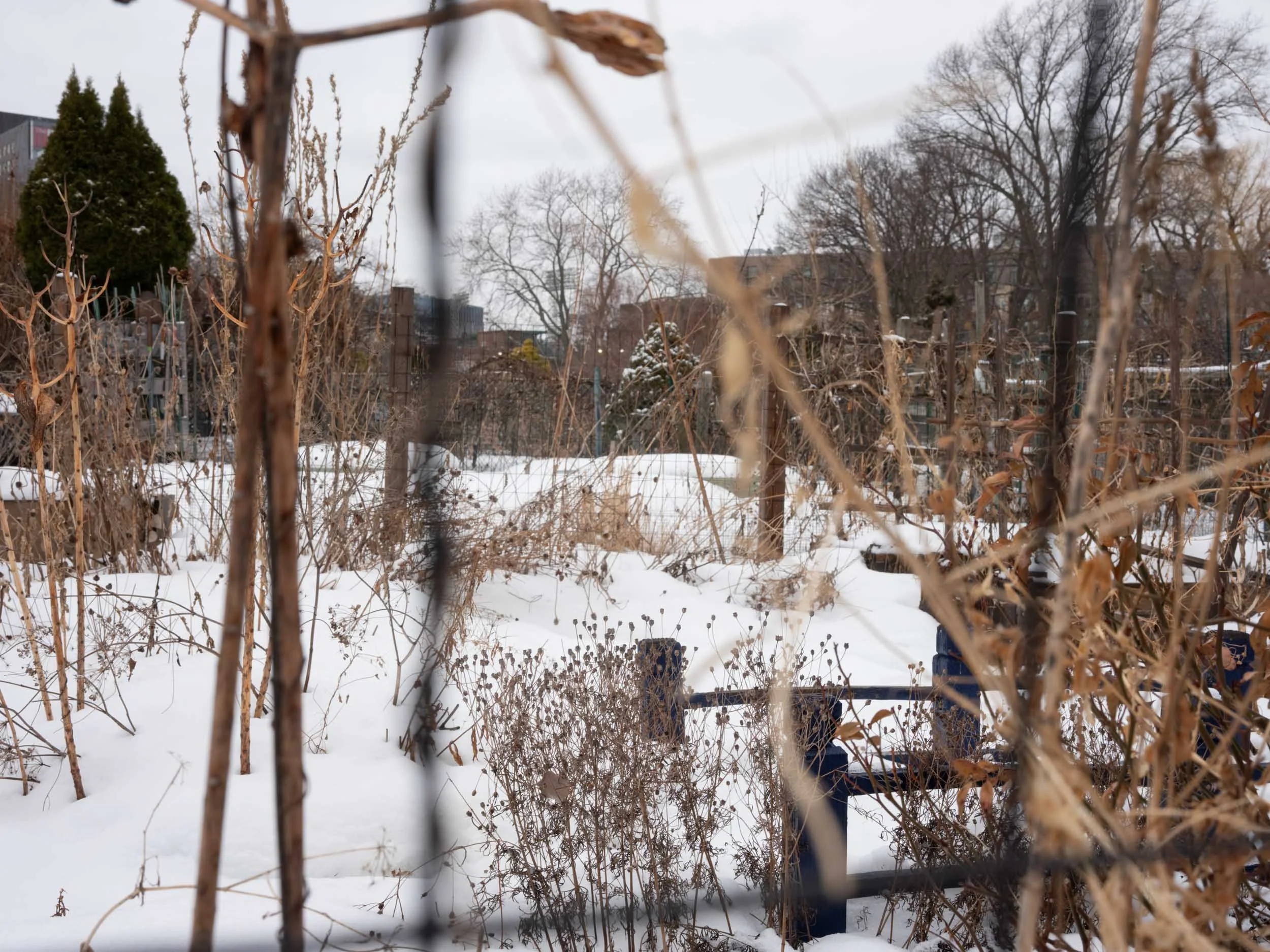
Stalks and seed heads (winter), 2026 Archival pigment photograph 30 x 40 inches
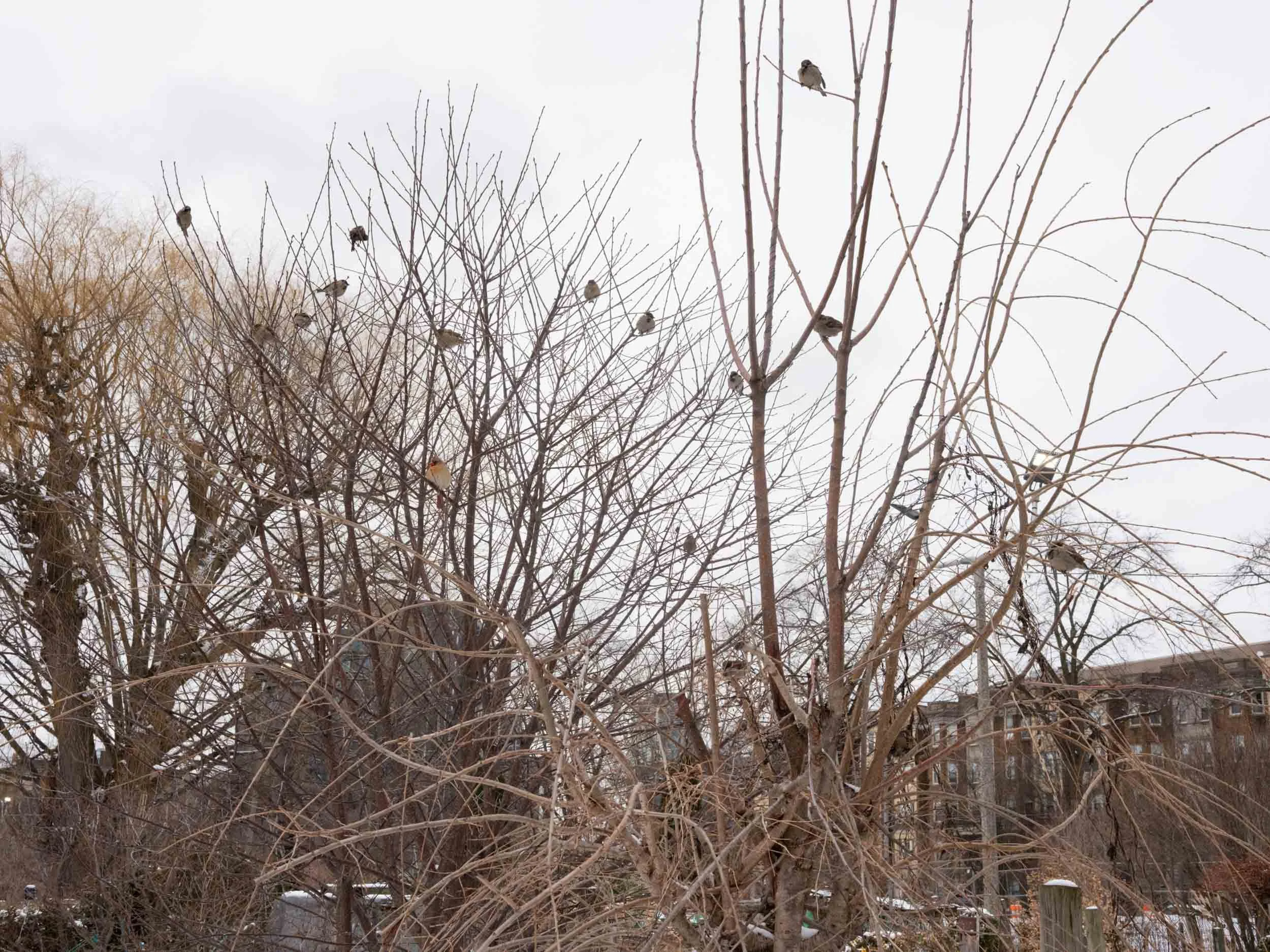
Birds (winter), 2026 Archival pigment photograph 30 x 40 inches
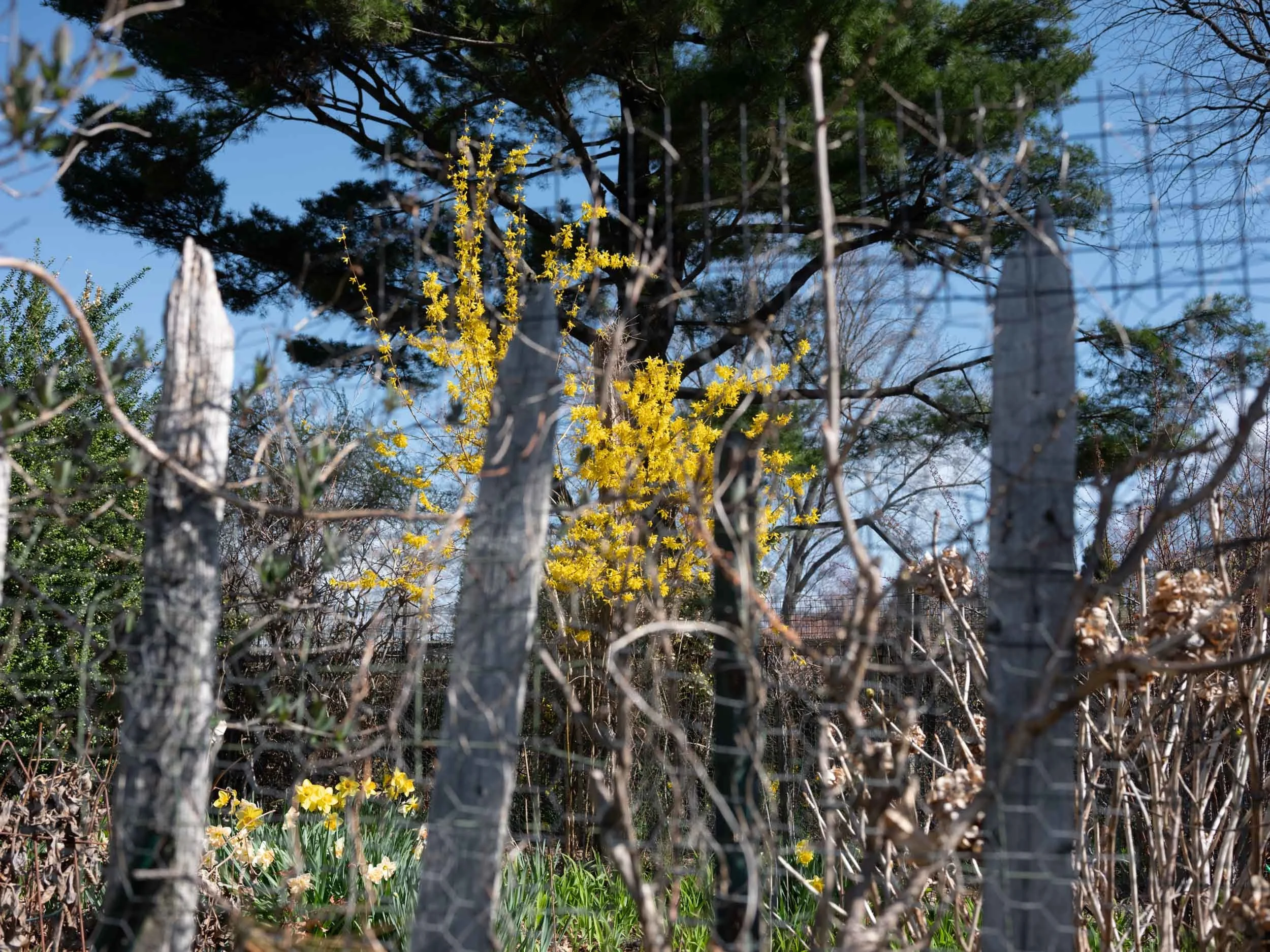
Forsythia and pine, 2026 Archival pigment photograph 30 x 40 inches
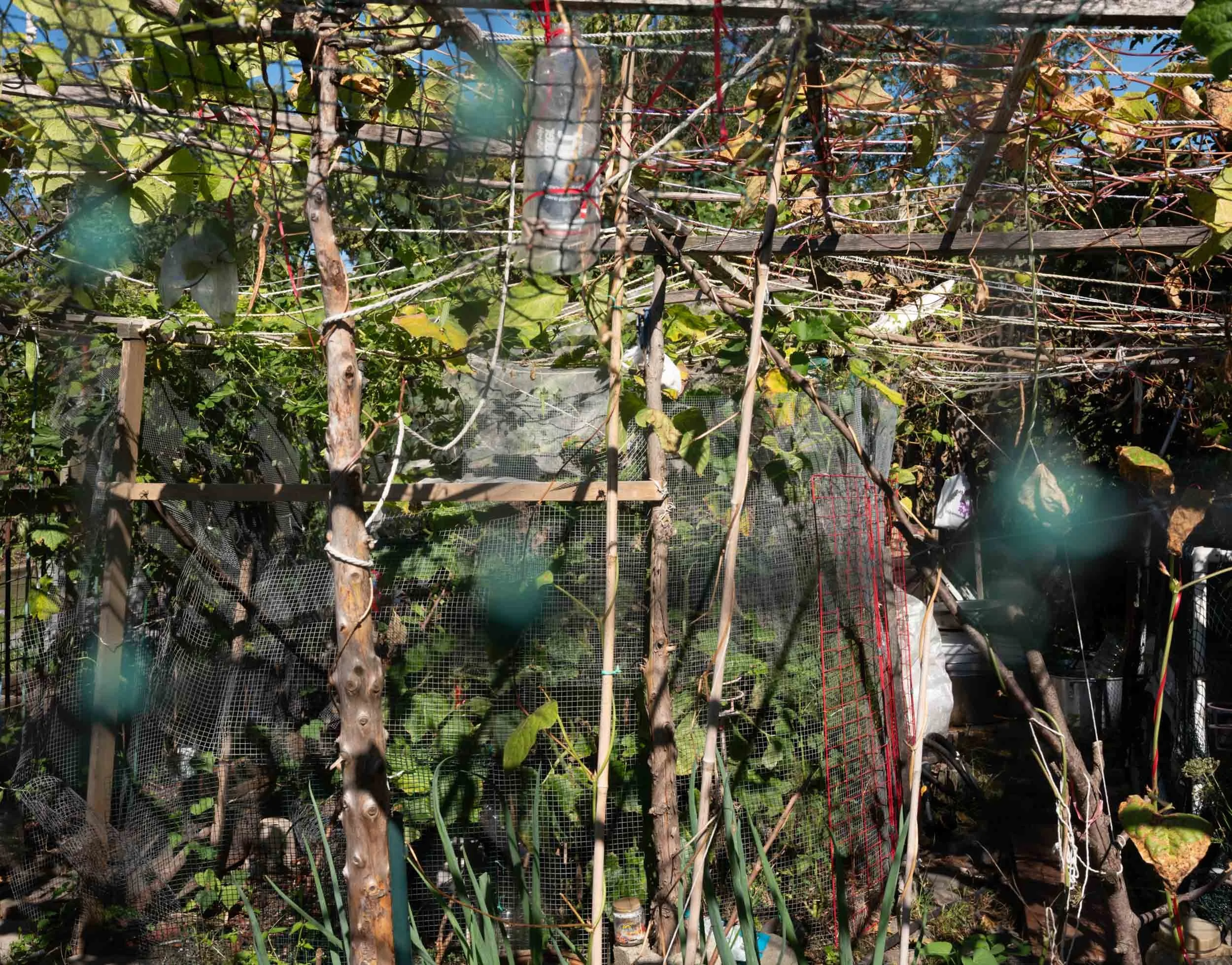
Support structures, 2025 Archival pigment photograph 30 x 40 inches
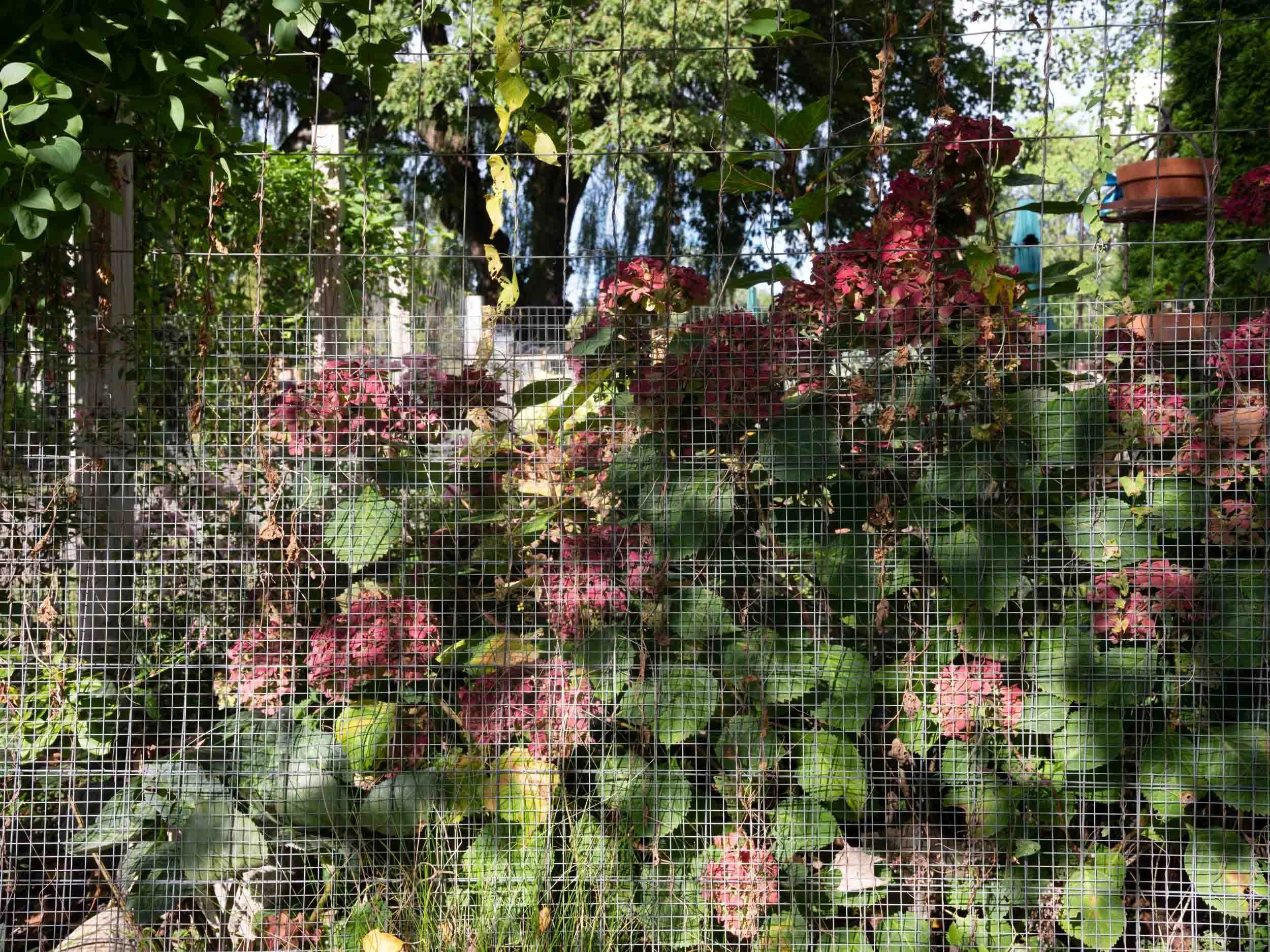
Fenced hydrangeas, 2025 Archival pigment photograph 30 x 40 inches
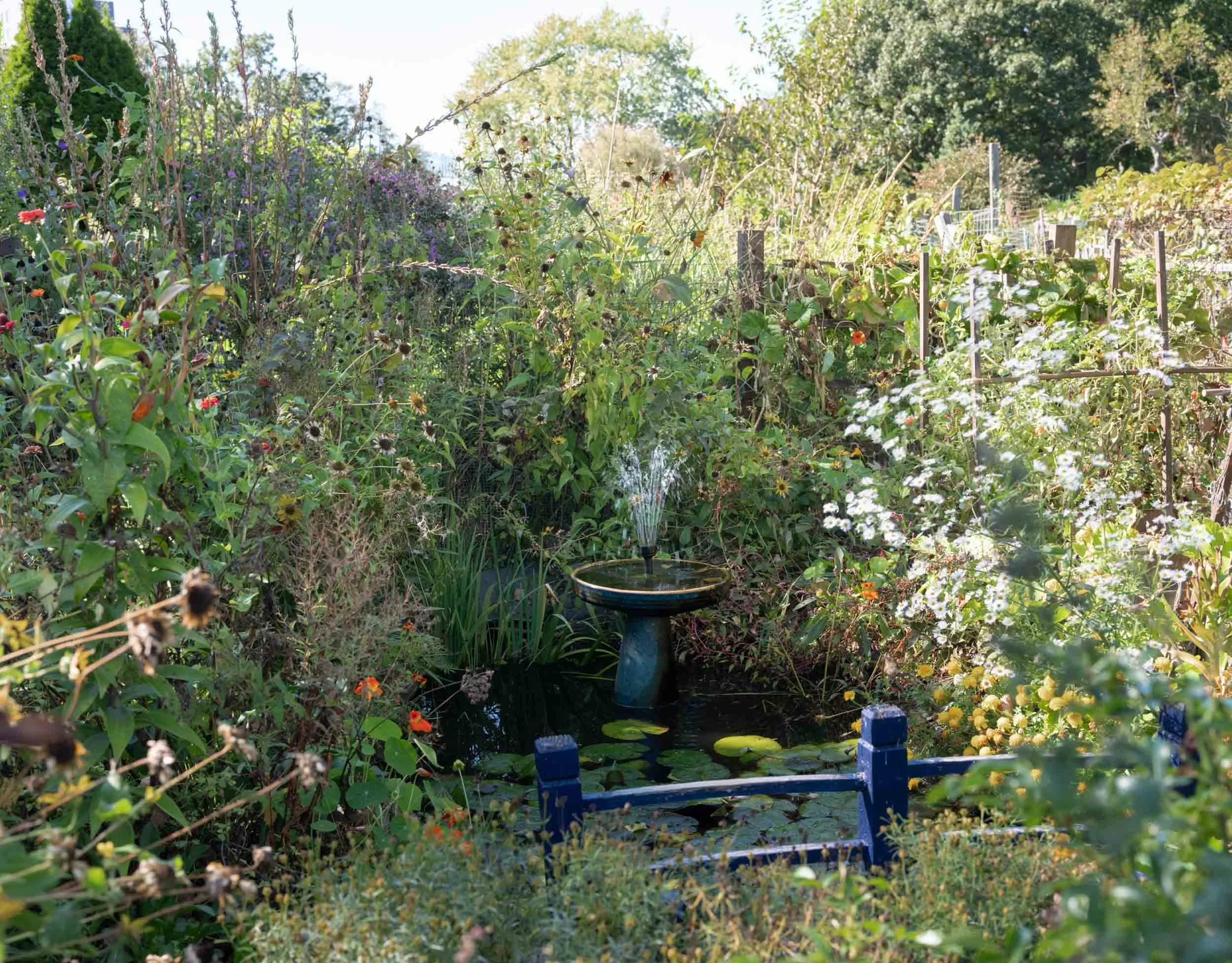
Fountain, 2025 Archival pigment photograph 30 x 40 inches
The lush color photographs in Victory Garden (2025-present) revel in the unruly vegetation of Boston’s Fenway Victory Gardens. Located along the bank of the Muddy River in the Fenway neighborhood, the quirky, human-built environment of this World War II victory-turned-community garden holds the collective yearnings of generations of gardeners.
I arrived at the garden seeking refuge: needing a break from the heavy psychological weight of my ongoing politically oriented projects, deep in the weeds of preparing matching prints for a forthcoming book, and exhausted by the beautiful but all-consuming job of mothering.
The garden welcomed me in, as gardens do, with greenery and chirping birds. I discovered a delightful hidden fountain. Soon, I had forgotten about politics and the matching prints and their color-profile mishaps. I let go of all the unread messages in my child’s school messaging app, dropping them amongst the violets.
At first the garden was all daffodils and tulips, a few sentimental pansies. It then grew wild and complicated. Misbehaving shrubs enmeshed themselves in chain-link fences, and a battle for dominance ensued in a patch of overly enthusiastic zinnias. Chaos reigned in a cave-like structure that resembled a junk heap, bejeweled by vines of squashes and morning glories.
As I return to the garden across the seasons, I think of the people who built it. The ones who were growing their tomatoes and peas to support the war effort, while missing loved ones long deployed and seldom heard from. Mourning their dead. Like me, I imagine that they took refuge in the beauty and the chaos of the place.